

The Quiet Connection Between Mental Health and Dental Health (That Moms Feel Every Day)
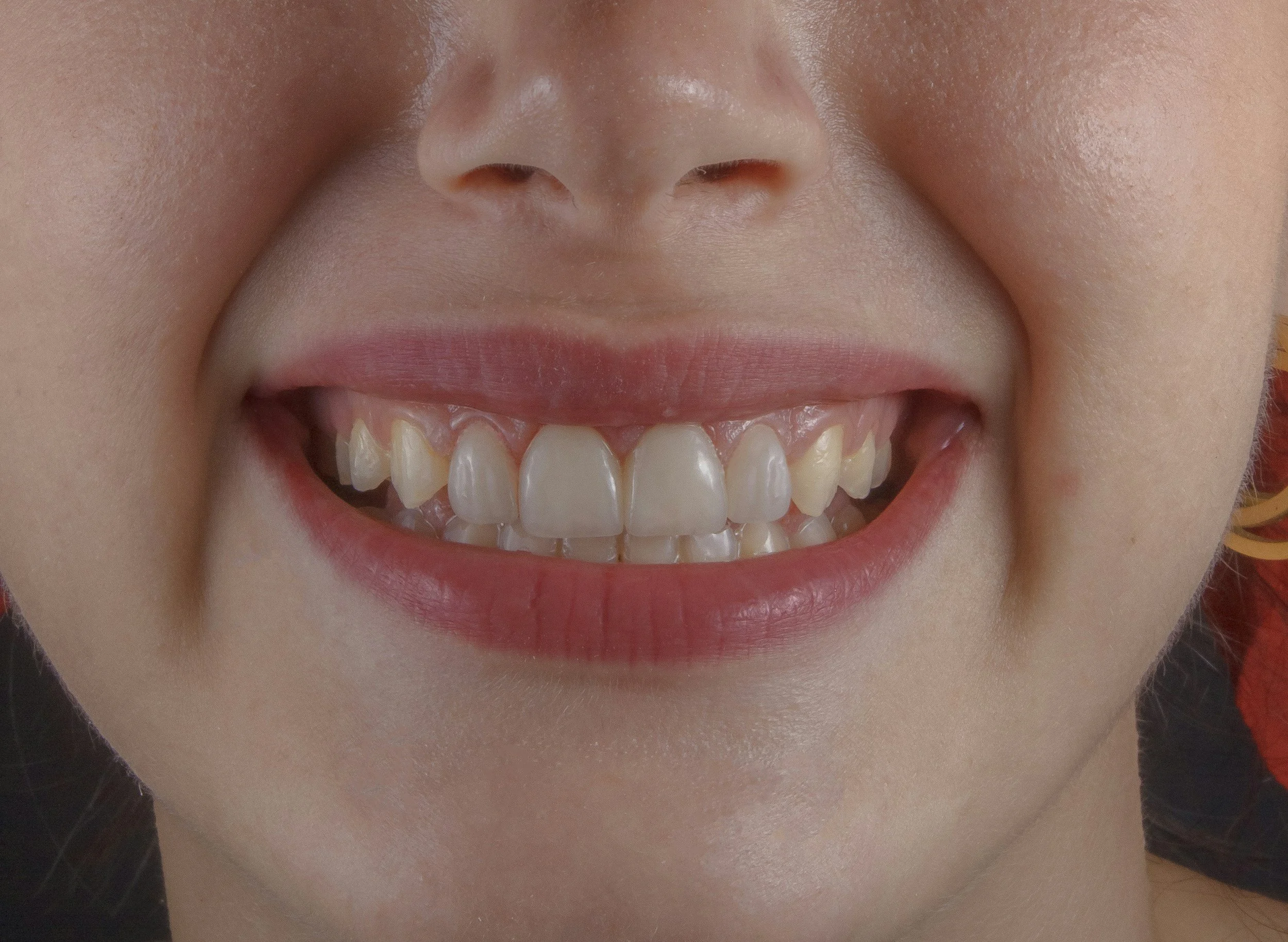
As moms, we’re experts at noticing everything—except sometimes what’s happening to ourselves. We notice when our kids are quieter than usual, when a tooth is loose, or when bedtime feels harder than it should. But the connection between our mental health and our dental health? That often slips under the radar.
For years, I thought dentists dealt with teeth and therapists dealt with feelings. End of story. But life—especially motherhood—is far more connected than that.
When stress sneaks in (and let’s be honest, stress is basically a permanent houseguest), it doesn’t just live in our minds. It shows up in our bodies. Jaw clenching. Teeth grinding at night. Skipping flossing because you’re exhausted by the time everyone is finally asleep. Sound familiar?
Anxiety and depression can make daily routines feel overwhelming, even ones that only take a few minutes—like brushing and flossing. On hard mental health days, self-care is often the first thing to go. Not because we don’t care, but because we’re running on empty. Over time, that can quietly affect oral health through cavities, gum inflammation, or chronic jaw pain.
Then there’s the other side of the coin.
Dental issues can also affect mental health in surprising ways. Tooth pain has a way of demanding attention and stealing patience. A smile you feel self-conscious about can make you avoid photos, social gatherings, or even simple conversations. That emotional weight adds up—especially for moms who already put themselves last.
Hormones play a role too. Pregnancy, postpartum changes, and perimenopause can increase gum sensitivity and inflammation. When your mouth hurts or bleeds every time you brush, it’s frustrating—and one more thing to worry about when your mental load is already full.
So why don’t we talk about this more?
Because moms are incredible at powering through. We normalize being tired, overwhelmed, and uncomfortable. We tell ourselves, It’s fine. I’ll deal with it later. But “later” has a way of getting really far away.
The truth is, caring for your mental health helps your dental health—and caring for your dental health supports your mental well-being. Feeling confident about your smile can boost mood. Reducing pain can improve sleep. Creating small, manageable routines can restore a sense of control during chaotic seasons.
One Simple Action Item You Can Take This Week
Pick one small habit that supports both your mental and dental health. Just one.
Maybe it’s:
Setting a gentle nighttime reminder to floss—not perfectly, just consistently.
Taking three slow breaths while brushing to release jaw tension.
Scheduling a dental checkup you’ve been putting off and reminding yourself it’s an act of self-care, not a chore.
Caring for yourself doesn’t have to be big or dramatic. Sometimes it starts with your smile—and the permission to take care of it.
You deserve that. 💛
Share this blog!