

Tobacco: Quitting for Good
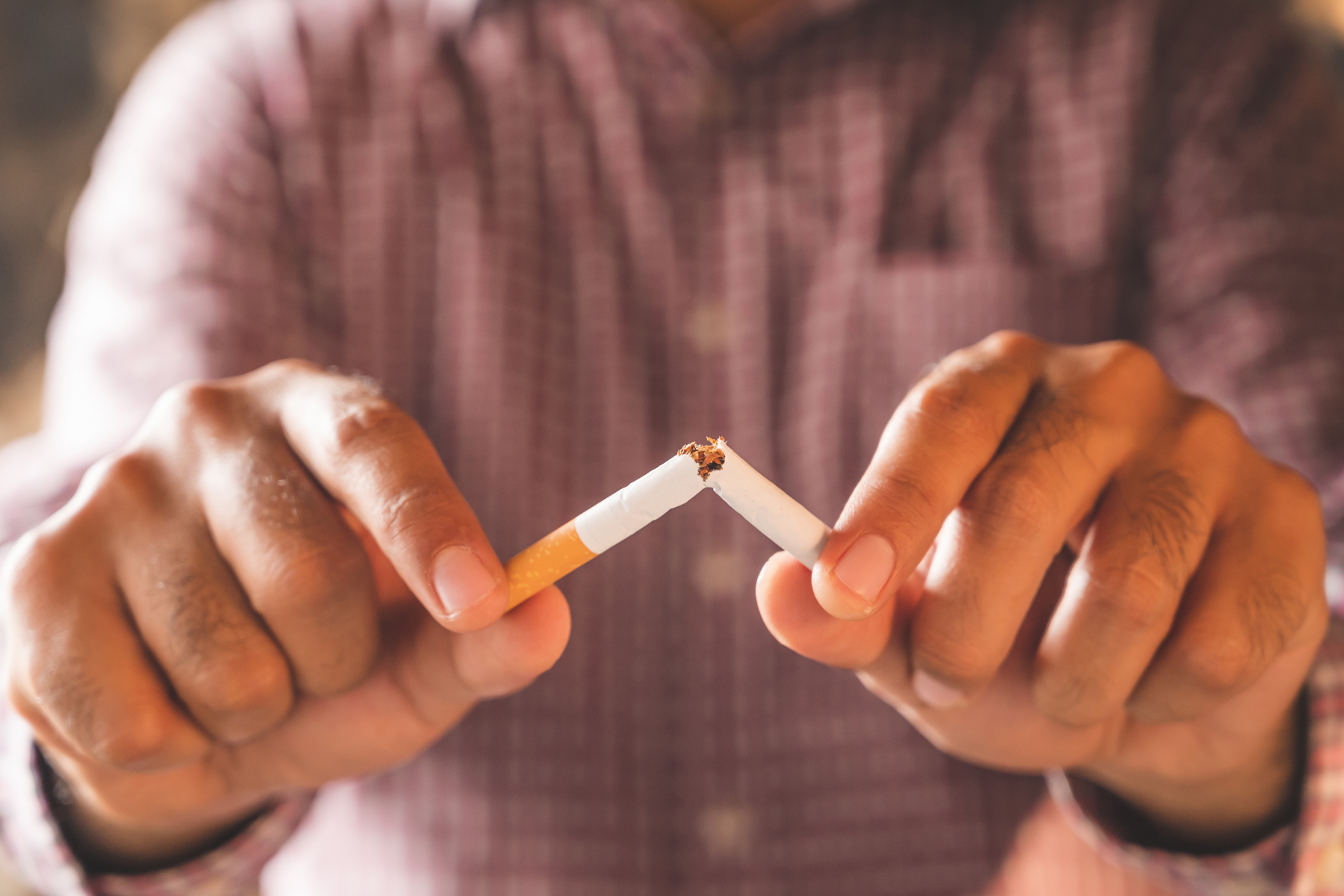
Quitting tobacco is hard for anyone. But quitting is possible!
Most people who smoke want to quit, and many succeed.
There's no single "best" way to quit, and most people need to try a few times before they quit for good. Start with small, easy steps:
Pick a quit date.
This gives you a goal to work towards.
Get rid of smoking reminders.
Throw away ashtrays and lighters. Clean your car to get rid of the smoke smell.
Figure out your triggers.
When do you feel the urge to smoke? Is it after meals? With coffee? When you're stressed? Knowing these times helps you prepare.
Find healthy ways to distract yourself.
Chew gum, go for a walk, listen to music – anything that keeps your mind and hands busy when you feel a craving.
Tell someone you're quitting.
Share your goal with a trusted friend or family member. They can help keep you on track.
What works?
When you're planning how you'll quit, think about these common options:
Cold Turkey
This means stopping all tobacco and nicotine at once. Some people succeed this way, but most need extra help.
Nicotine Replacement Therapy (NRT)
These are products like gum, patches, lozenges, or special nasal sprays or inhalers that give you small, controlled amounts of nicotine. This helps lower withdrawal symptoms. NRT can increase your chances of quitting by about 50%. It's safe to use for as long as you need to prevent you from going back to smoking. Using more than one type of NRT at the same time can even boost your chances of success.
Prescription Medications
Two FDA-approved medications, varenicline and bupropion, can help you quit.
Varenicline (Chantix®) makes smoking less enjoyable and helps with withdrawal. People who use it are three times more likely to quit successfully.
Bupropion (Zyban® and Wellbutrin®) lessens nicotine cravings and withdrawal symptoms. People who use it are twice as likely to quit successfully.
Talk to your doctor. They can help you make a personal quit plan. They can also discuss any possible problems with other medications you may be taking. Your doctor can refer you to local services that help people quit smoking and a behavioral health professional can also be very helpful.
Share this blog!