

Substance Use Disorder
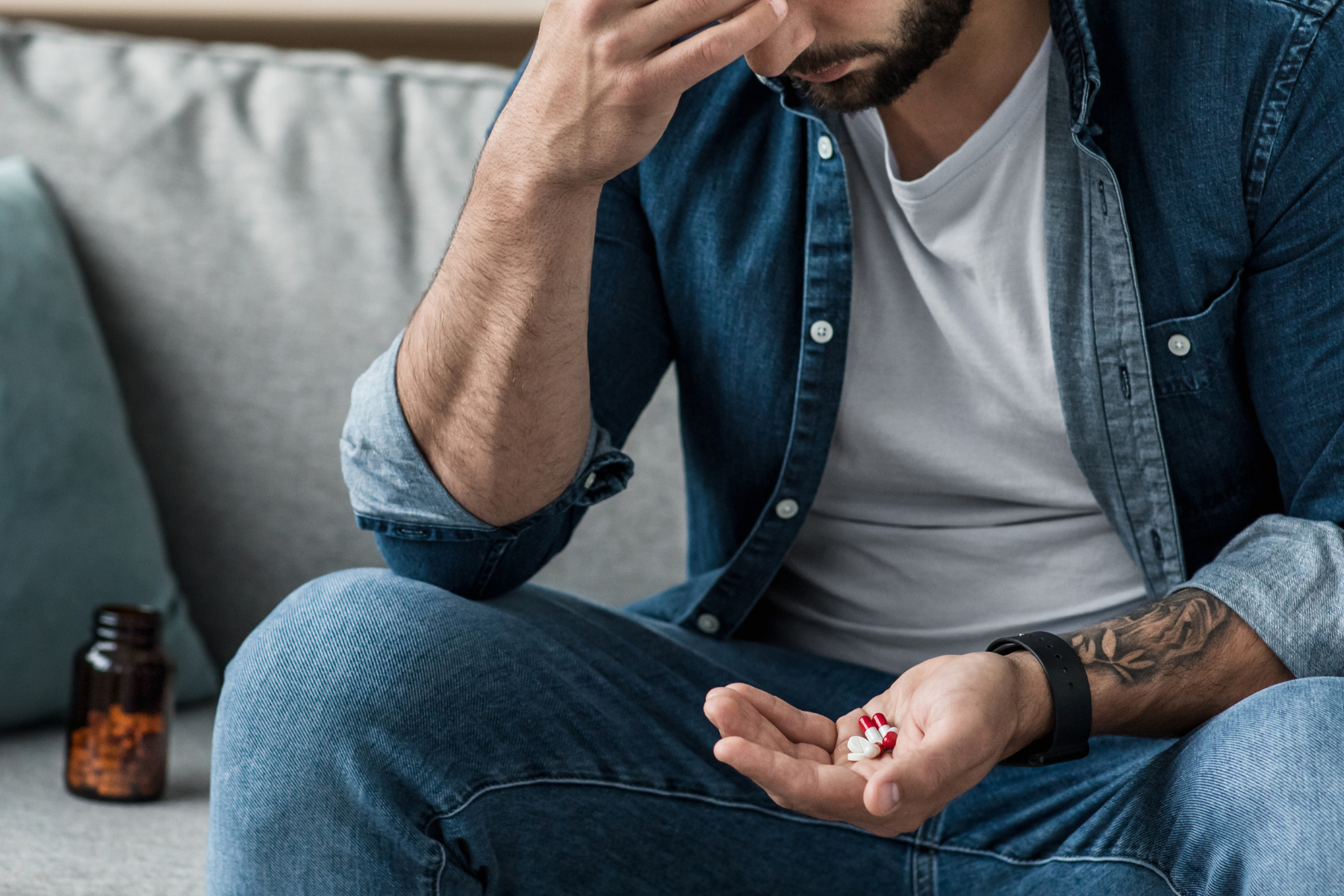
People who live with substance use disorder may be aware of their problem but not be able to stop even if they want to. Over time, they build up a tolerance to the substance and require larger amounts to feel the effects. This downward spiral can cause physical and psychological problems, and in some cases, it can lead to serious illness and death.
Symptoms
When casual use moves to dependence, where cravings overtake the desire to cut down or quit.
Failure to complete tasks at work, school, or home.
Use of substances in risky settings despite known problems.
Need for larger amounts to get the same effect or to avoid withdrawal symptoms.
Treatment
The first step is recognizing the problem. Interventions by concerned friends and family are often what get people into treatment.
Substance use disorder treatment requires a combination of medication and psychological therapy. An individualized treatment approach is best for sustained recovery.
Helping a Friend or Family Member
Learn about alcohol and drug dependence.
Speak up and offer support.
Express love and concern.
Don't expect the person to stop without help.
Once a friend or family member is receiving treatment, remain involved. Continue to show concern about their successful long-term recovery.
What Not To Do
Don't preach, lecture, threaten, bribe, or moralize.
Avoid emotional appeals that may only increase feelings of guilt.
Don't cover up or make excuses for their behavior.
Don't take on their responsibilities to protect them from the consequences of their behavior.
Don’t argue with them when they are using alcohol or drugs.
Don't feel guilty or responsible for their behavior; it's not your fault.
Don't join them.
Encouraging their path to recovery and empowering them to take ownership of it is one of the most valuable things you can do.
Share this blog!